
Most organisations do not struggle to generate AI ideas but struggle to decide which ones actually matter. AI use cases are discussed across teams, departments, and functions. Vendors present industry examples. Internal initiatives start with good intent. Each idea makes sense in isolation. Taken together, they create noise rather than direction.
Without a shared way to compare business impact, effort, and dependency across the organisation, prioritisation becomes political. Decisions stall. Momentum fades. Confidence quietly erodes. AI roadmapping replaces this fragmentation with clarity.
It creates a single, grounded view of which initiatives deserve attention, which should wait, and which should not proceed at all. This allows leaders to move forward with confidence, alignment, and purpose rather than pressure.
From A List Of Ideas To A Clear Path
AI roadmapping is not about creating a document but about making deliberate choices. At Koshima, AI roadmapping takes the use cases you already have and turns them into a clear, prioritised sequence of initiatives that the organisation can actually commit to.
We help you move from what could be done to what should be done first, what can follow later and what should not be pursued at all. The result is clarity. Leaders understand the direction, teams understand the priorities and stakeholders understand the rationale.
Compare Impact Consistently
We create a common way to compare the value of use cases. This ensures decisions are based on business impact not who shouts loudest or which idea feels most exciting.
Sequence Work Realistically
Not everything can or should happen at once. Roadmapping makes dependencies, feasibility and readiness visible. Initiatives are sequenced for business value.
Create Shared Direction
The roadmap becomes a shared reference point. It aligns leadership, teams and partners around what is happening now, next and later, reducing uncertainty & friction.
A ranked, evidence-based view of AI initiatives aligned to real business impact rather than assumption or urgency.
Shared understanding across executives and stakeholders on why certain initiatives move forward and others do not.
Reduced friction, fewer circular discussions, and greater confidence when approving or declining AI initiatives.
Koshima AI roadmapping creates a clear foundation for action. It supports investment decisions without overcommitment.
A Disciplined Way To Prioritise
AI roadmapping is not about creating a list of projects. It is about creating a defensible basis for decision-making. Koshima roadmapping uses the TIME framework to evaluate AI initiatives through four lenses: time impact, investment required, financial value, and experience impact.
We begin with use cases that have you have already identified.
Each initiative is anchored to a specific goal, challenge or missed opportunity so prioritisation stays focused on business needs rather than abstract ideas.
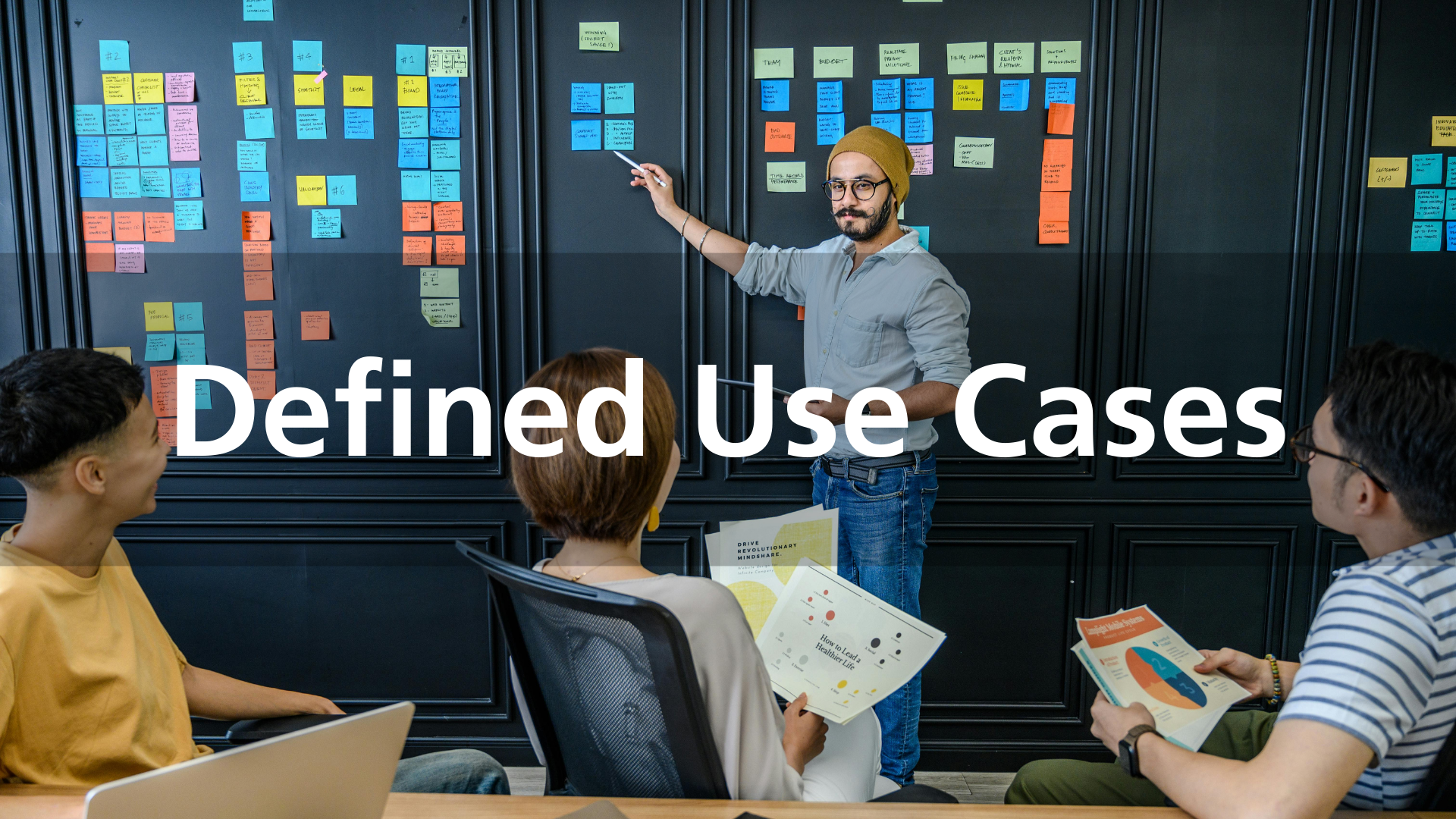
We use the TIME framework to compare initiatives across four dimensions.
Time impact, investment required, financial value and experience effects are considered together to create a balanced view of importance.

Make trade-offs explicit. Roadmapping raises trade-offs clearly.
It shows what moving forward with one initiative means for others, helping leadership make decisions that are deliberate rather than reactive.

Setting Expectations Clearly
AI roadmapping is not a technology selection exercise. It is not a vendor comparison. It does not assume that AI is the right answer for every challenge.
In some cases, the outcome of roadmapping is clarity that a problem should be solved differently, or not addressed at all. This is intentional.
The purpose of roadmapping is not to justify AI initiatives.
It is to ensure that when AI is used, it is used for the right reasons, in the right places and at the right time.
Ready to roadmap your AI initiatives?
If your organisation has identified AI use cases but lacks confidence in what to do first, AI roadmapping creates the clarity needed to move forward deliberately.
Start A Conversation